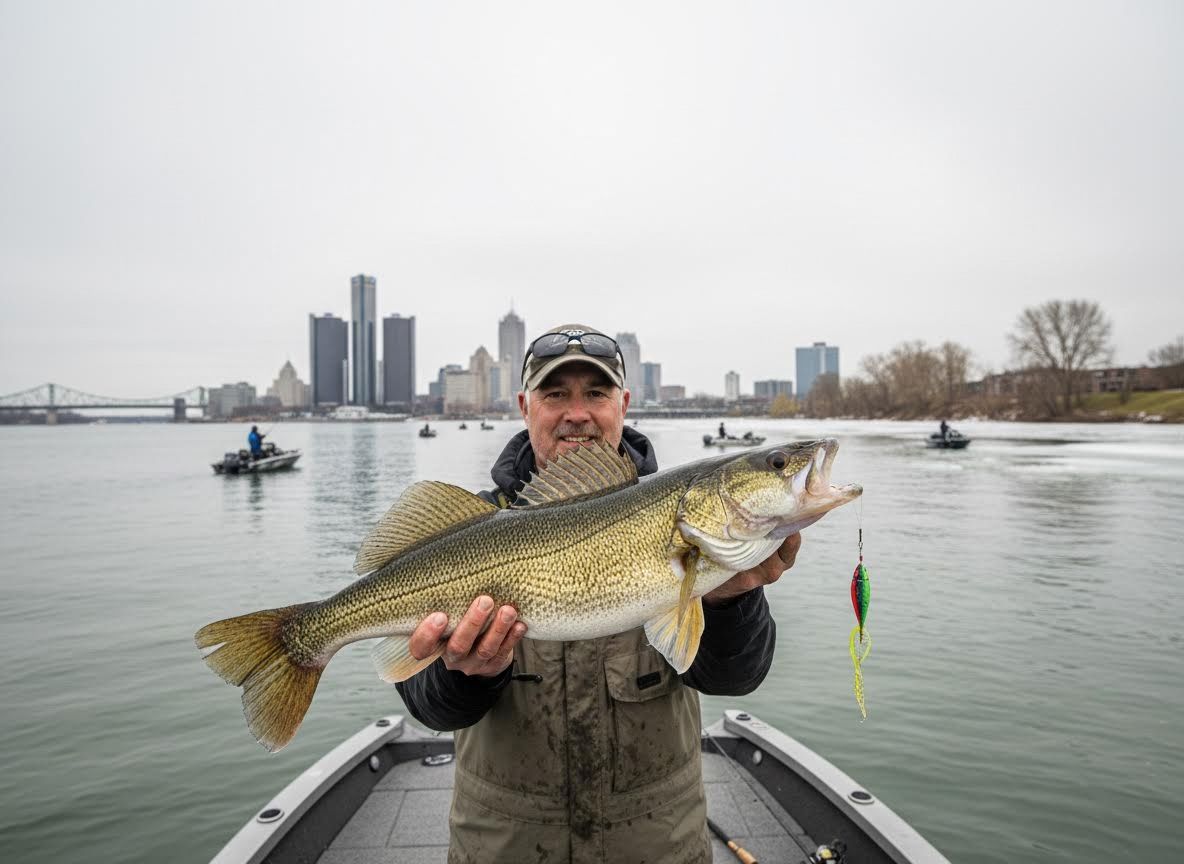
As the ice recedes and the days grow longer, a special kind of excitement bubbles up among anglers across the Great Lakes region, signaling the start of prime spring walleye action on the iconic Detroit River. This annual event draws fishermen eager to experience one of the best freshwater fisheries around, and here at About Time Charters, we understand why this time of year is so anticipated. Getting out on the water when the walleye are actively running offers an unparalleled thrill, promising memorable catches and beautiful scenery.
Understanding the Spring Walleye Run
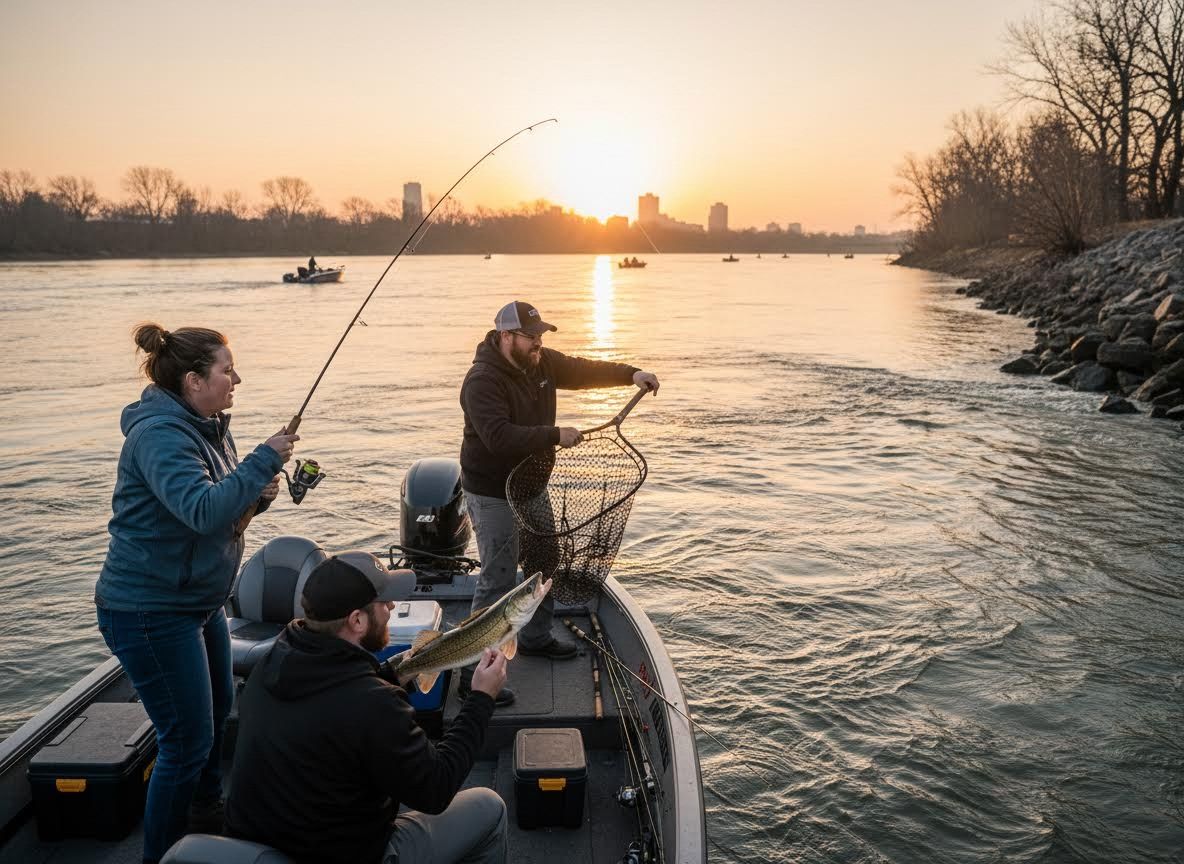
The Detroit River becomes a bustling highway for walleye each spring as they migrate from Lake Erie to spawn. This natural phenomenon concentrates a massive number of fish into a relatively narrow waterway, creating incredible fishing opportunities. Walleye are temperature-sensitive, and the warming waters of early spring trigger their movement upstream. Understanding their migration patterns, preferred depths, and how they react to the river's current is key to a successful outing. The river's unique structure, including its channels, eddies, and various current breaks, provides ideal holding spots for these migrating fish.
Essential Techniques for Detroit River Walleye
When targeting spring walleye on the Detroit River, jigging is undoubtedly the most productive technique. Anglers typically use a vertical jigging approach, presenting jigs tipped with soft plastics or live minnows directly beneath the boat. The specific weight of the jig is crucial and depends heavily on the strength of the current and the depth you're fishing. Light tackle is often preferred, allowing for better feel and quicker reactions to subtle bites. Experimenting with different jig colors and sizes, as well as presentation styles (short snaps vs. long glides), can make a significant difference in your success rate.
Prime Time and Conditions
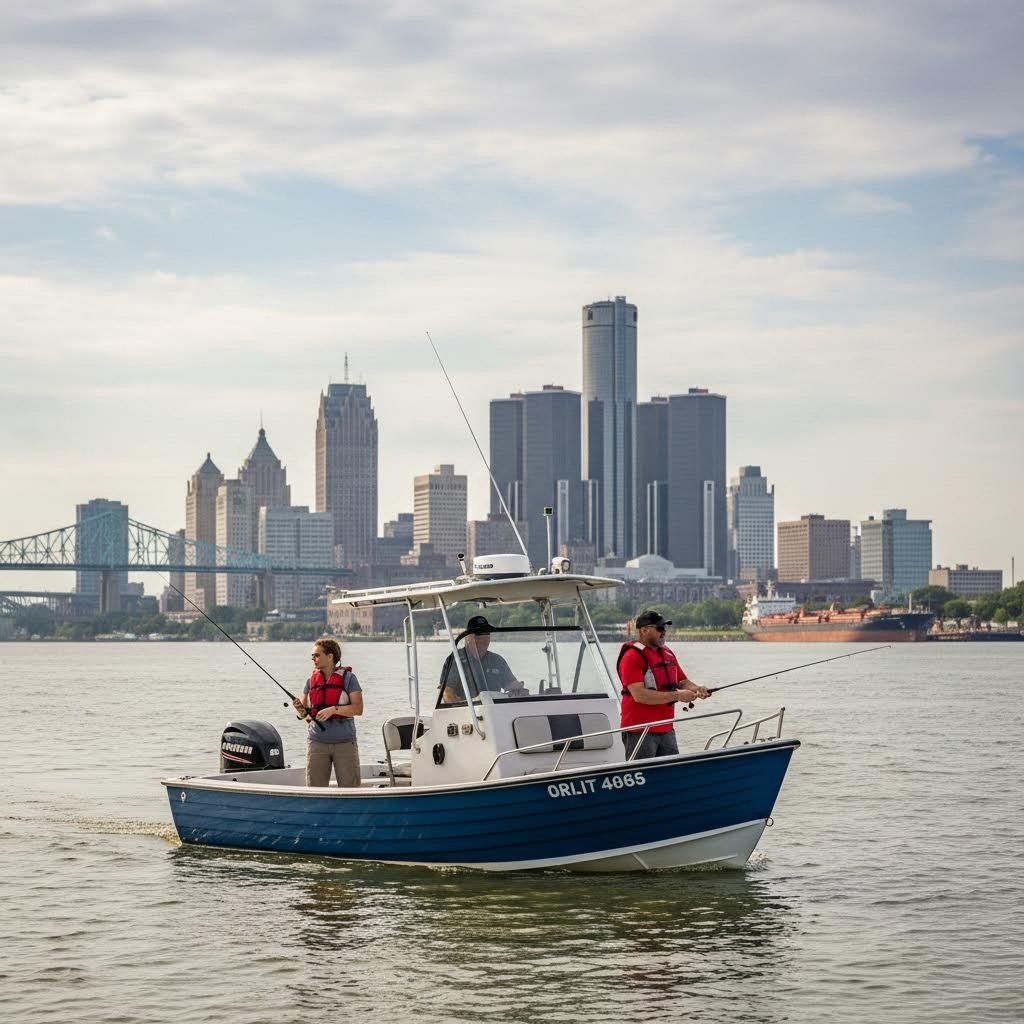
Timing is everything when it comes to the spring walleye run. While the season generally kicks off in March and continues through April, the peak period can vary slightly year to year based on water temperatures and weather patterns. Ideal conditions often involve stable weather, light winds, and a water temperature hovering around 40-50 degrees Fahrenheit. Overcast days can also be highly productive, as walleye are less sensitive to light in these conditions and may feed more aggressively throughout the day. Paying attention to current reports and local fishing forecasts can greatly enhance your chances of hitting the peak of the action.
The spring walleye run on the Detroit River is an experience every angler should have, offering both challenge and immense reward. By understanding the walleye's behavior, employing the right techniques, and paying attention to conditions, you're well on your way to a fantastic day on the water. If you're looking to deepen your knowledge and hone your skills for this incredible fishery, consider exploring resources on guided Michigan fishing charter experiences.